
The Guardian of Origins did not arrive as a logo, a slogan, or a finished answer. It appeared as a presence in the studio, a figure for the threshold where an overlooked material becomes something else. Origins has always been concerned with that threshold: the moment a familiar fragment is looked at differently, handled patiently, and given a form that asks to be kept.
A guardian belongs at that threshold because transformation needs attention. It needs someone, or something, to hold the door open while the ordinary becomes strange. The Guardian is not here to explain every piece or turn the studio into a story with one fixed meaning. It is here to give the world of CrushelloCreations another point of entry for collectors and the curious.
A presence rather than a mascot
The word mascot can suggest a character who arrives with a catchphrase and asks to be instantly understood. The Guardian has a different job. It is a presence that can move through the studio’s imagery, keeping company with relics, wearable forms, luminous glass, reclaimed metal, and digital worlds. It does not stand apart from the work. It gives the work another way to be encountered.
That matters because a collection is more than a group of objects placed beside one another. It gathers its own atmosphere. Materials begin to echo. Symbols return in altered forms. A piece of jewelry, a small artifact, and a digital scene can belong to the same world without becoming identical. The Guardian makes that shared world easier to feel without reducing it to a formula.
For collectors, this is an invitation rather than an instruction. You do not need to know every detail of the Guardian’s story before a piece can speak to you. You can meet a work through color, silhouette, texture, or the quiet feeling that it has come from somewhere beyond the familiar. The Guardian simply keeps that sense of possibility nearby.

Origins has always been about becoming
The Origins collection began with a stubborn question: what can happen when a material that is easy to overlook is given another life? A recovered metal tab, a bead, glass, resin, or an industrial curve does not arrive as a finished piece. It arrives with a history and a limit. The making begins by listening for what that material can become without pretending it was never ordinary.
That is the territory the Guardian watches over. Not perfection, and not a polished before-and-after transformation. The work holds on to the tension between where a material began and the unexpected shape it takes next. A familiar fragment can remain visible inside an unfamiliar form. The past is not erased. It is carried forward.
This is why one-of-one work matters in the studio. Every arrangement is shaped by particular materials, particular decisions, and the time spent returning to them. A later piece may carry a related mood, symbol, or color, but it will not repeat the same path. The Guardian belongs to that ongoing process of becoming, not to a single product or a closed chapter.
The chamber is a place for imagination
The Guardian’s Chamber began as a storyboard because some ideas need to move before they can be explained. A storyboard lets an image gather sequence, pause, atmosphere, and possibility. It gives the Guardian a place to appear beside the visual worlds already growing around CrushelloCreations, including the charged architecture of Neon Cathedral.
That kind of visual storytelling brings a different rhythm to the studio. A collector may encounter a piece first through a product page, then later recognize an echo of its color or symbol in a scene from the Guardian’s world. The connection does not need to be literal. It can work like a recurring dream: a detail returns, a mood deepens, and the collection begins to feel less like a catalog and more like a place worth revisiting.
Entertainment has a real place here when it serves curiosity. It gives people a reason to linger, share an image, or return to see what happens next. But it should never become noise around the work. The Guardian is strongest when it makes the objects feel more mysterious and more specific, not when it competes with them for attention.
There is a practical reason to make this room for imagination, too. Singular work asks for a different kind of attention than something chosen only for convenience. A collector may need time to understand why an object is calling to them. Story can slow that encounter down in a useful way. It gives the work a context without deciding the outcome, and it can make a first visit feel like the beginning of a relationship rather than a quick transaction.
That does not mean every object needs a long explanation. In fact, too much explanation can flatten the experience. The chamber works best as a current beneath the work: a hint of a larger place, a repeated signal, a presence that is felt before it is fully named. The collector remains free to follow that current closely or simply enjoy the object in front of them.

Protection can be quiet
A guardian is often imagined as a figure of force. In this world, protection can be quieter. It can mean protecting the time needed to make something slowly. It can mean protecting the strangeness of an idea before it is made practical. It can mean protecting a collector’s permission to choose work that does not match everything, explain itself immediately, or fit somebody else’s idea of good taste.
That last kind of protection matters. Individualistic Expressionist collectors are not looking for a safe finishing touch. They are looking for the object that interrupts a familiar room, changes the feeling of an outfit, or becomes the thing someone asks about first. The Guardian stands near that permission: the permission to choose the uncommon and make space for it.
The work does not need a mythology in order to be meaningful. A collector can be drawn to a piece for its light, craft, color, or material contrast alone. But mythology can give that response room to grow. It allows an object to carry a private association long after the first moment of attraction, which is often how a collected piece begins to belong to someone’s life.
A world that can keep unfolding
The Guardian is not being introduced to close the meaning of Origins. It is being introduced so the meaning can keep opening. New scenes, sketches, fragments, and objects can add to the world over time. Some may feel close to the Guardian. Others may simply share its atmosphere. The point is not to build a puzzle that collectors have to solve. The point is to make a living visual language that rewards another look.
That leaves room for surprise. A new relic may arrive with the feeling of something recovered from the chamber. A digital work may show a distant place the Guardian has crossed. A necklace may carry a color that seems familiar without being explained. Each connection can stay light enough to feel discovered, not assigned.
This is also a way for the studio to tell its story without standing still. Rather than repeating the same description of materials and methods, the Guardian gives those elements a changing context. Reclaimed metal becomes more than a technique. It becomes evidence of transformation. A luminous focal becomes more than decoration. It becomes a small signal from a larger imagined world.
Over time, this can make the studio easier to recognize. A world with its own symbols gives collectors a thread to follow across different kinds of work. The thread does not have to make every release look the same. Its value is the opposite: it lets new forms feel connected while keeping enough room for each one to surprise. A relic can be quieter than a necklace. A digital scene can be more expansive than either. The Guardian can stand at the edge of all of them without making them compete for one identity.
The developing story also honors the fact that art is not always useful in the immediate sense. Sometimes it is a small interruption, a private companion, or a visual question that becomes more interesting over time. Those experiences are part of why people collect. They live with a work, notice it in changing light, and allow it to accumulate associations that could not have been present at checkout.

What the Guardian holds for collectors
For collectors and the curious, the Guardian offers a way to enter without needing expertise. You can follow the story, notice the visual echoes, or simply choose the work that keeps drawing you back. There is no correct interpretation to earn. The relationship remains personal, which is exactly how a one-of-one piece should meet its collector.
CrushelloCreations will keep making room for that relationship through wearable art, TrinketRelics, and digital worlds. The Origins collection is where the material side of this story becomes visible in singular forms. The digital art collection carries another kind of world-building, ready for collectors who want to bring a scene into their own space.
The Guardian of Origins is a new presence, but the invitation is familiar: look again. Stay with the strange detail. Give an overlooked material, an unexpected symbol, or a singular work enough time to become part of your own story.
Questions from collectors
Meeting the Guardian.
Who is the Guardian of Origins?
The Guardian of Origins is a new studio presence within the CrushelloCreations world. It represents attention, transformation, and the threshold where overlooked materials become singular works.
Is the Guardian of Origins connected to the Origins collection?
Yes. The Guardian grew from the same ideas that shape Origins: reclaimed materials, one-of-one forms, symbols of transformation, and the value of looking again at what might otherwise be overlooked.
Does every CrushelloCreations piece have a Guardian story?
Not in one fixed way. The Guardian is a shared atmosphere rather than a rule for interpreting every piece. Collectors can notice connections when they appear or form their own relationship with the work.
Will there be more Guardian of Origins stories?
The Guardian is an ongoing part of the studio’s visual world. Future scenes, sketches, objects, and Collector’s Notes may extend that world as it develops.
Continue reading
Related posts
Studio Notes
How a Piece Learns Its Shape
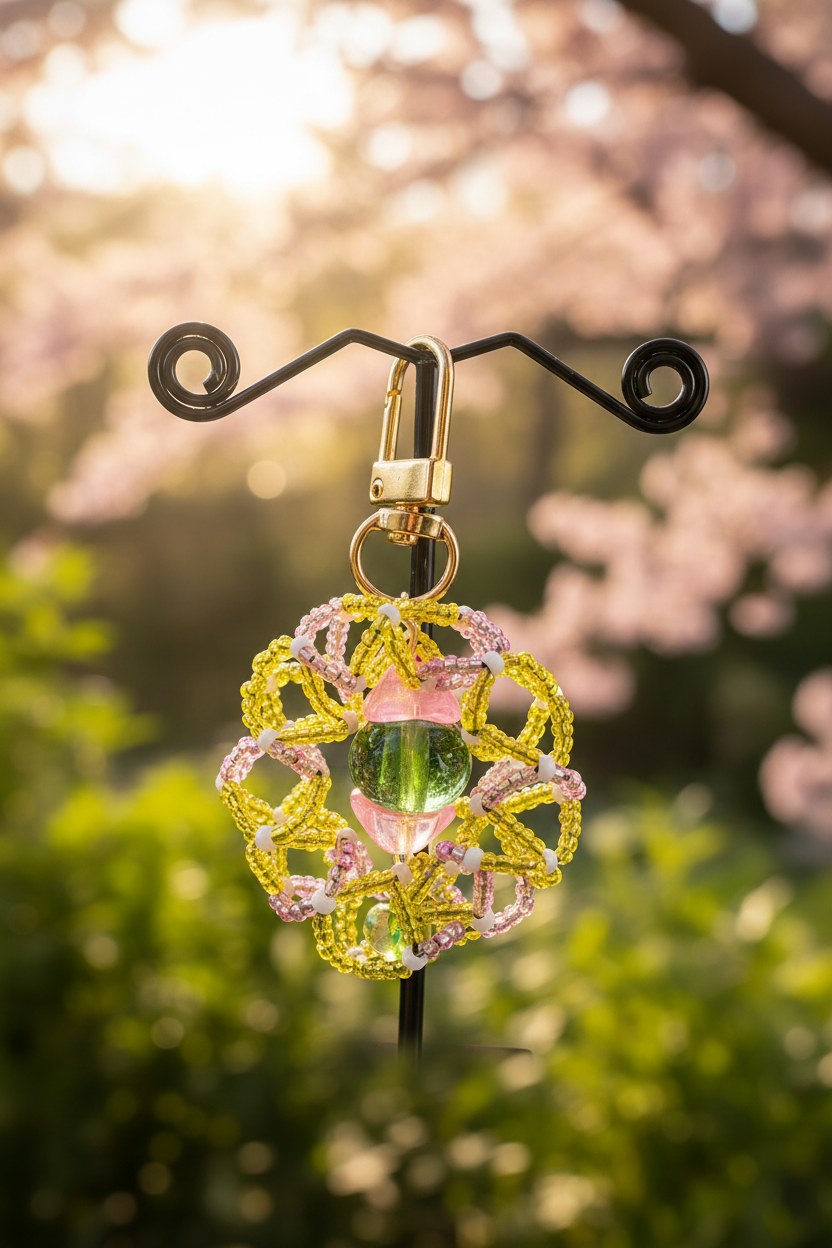
A studio note on the pauses, revisions, and material conversations behind a one-of-one work.
Read the note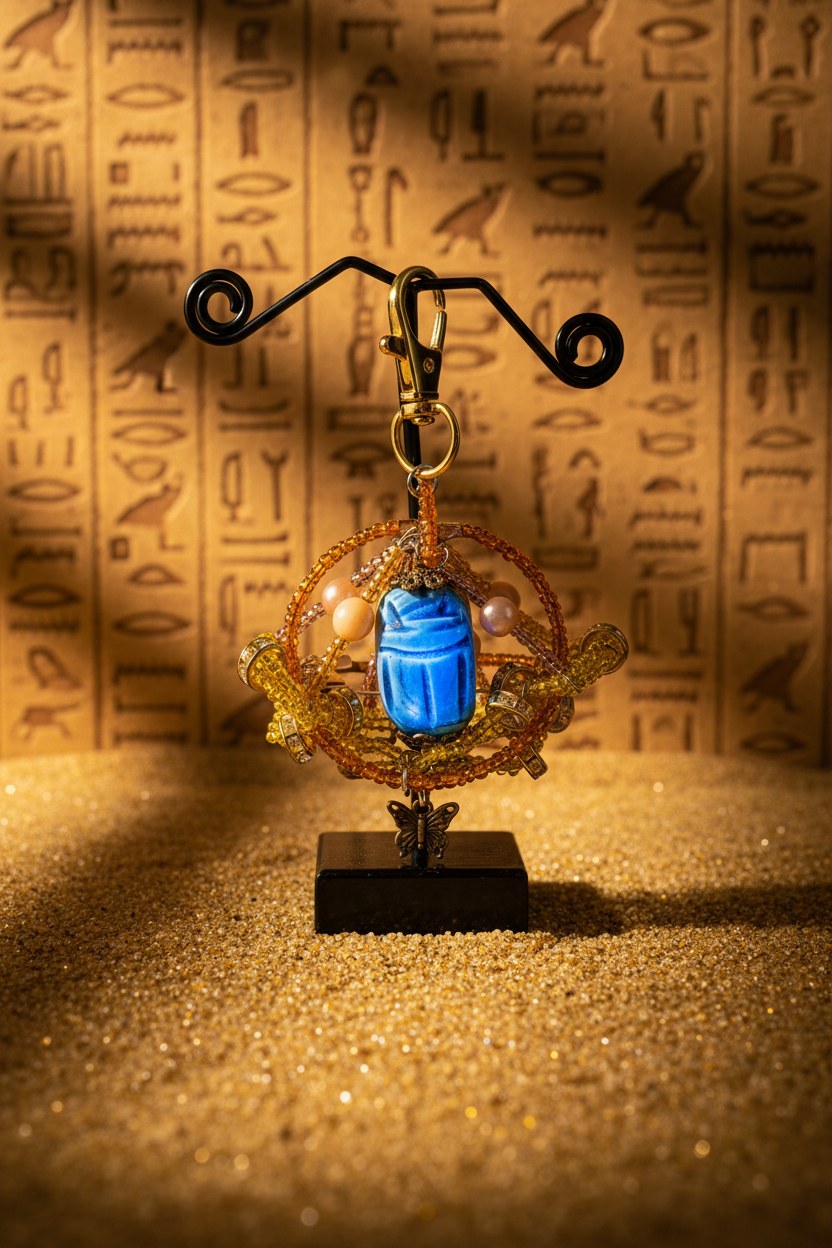
Material Stories
Reclaimed Jewelry and the Problem With Fast Jewelry
A studio reflection on material memory, one-of-one work, and why a piece made slowly can stay with you longer.
Read the noteCollection Stories
Founding Collector Month: The Opening Chapter
A note from the studio on beginnings, one-of-one work, and the next chapter of CrushelloCreations.
Read the note